The library
The complete plumbing library
Choose your location. Understand the work.
 Understand the work
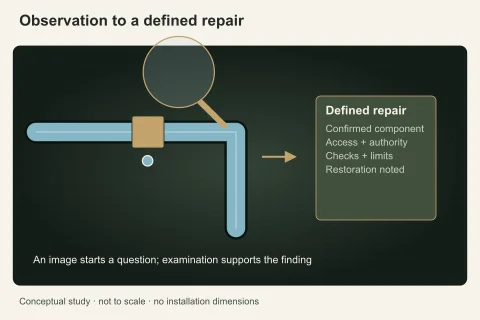
Plumbing repair: establish the problem before the scope
A local repair starts with the affected system, not a guessed replacement. Separate what you can safely observe from what must be examined, then ask how the first visit will turn uncertainty into a documented decision.
 Understand the work
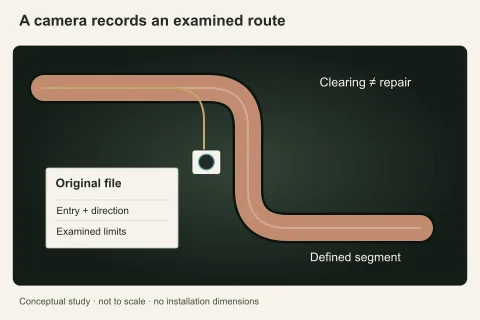
Drain service: clearing, inspection and repair are different
A restored drain flow is a useful result, but it does not automatically establish pipe condition. Define the affected route and the outcome you need before comparing equipment, inspection extras or repair proposals.
 Understand the work
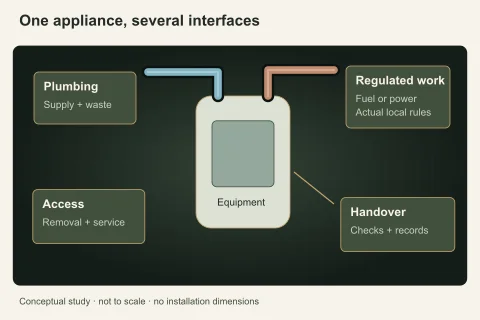
Water-heater service: identify the system and the right trades
A hot-water complaint can involve equipment, distribution or demand. Identify the existing system and observed pattern first, then separate plumbing, gas and electrical responsibilities before buying a replacement or agreeing to a visit.
 Understand the work
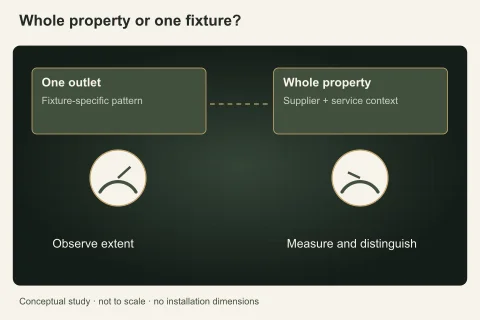
Water-service assessment: pressure, material and ownership
The buried supply from the street, indoor distribution and the public network are distinct parts of the problem. Start with the pattern and utility information, then define which segment a professional is being asked to examine.
 Understand the work
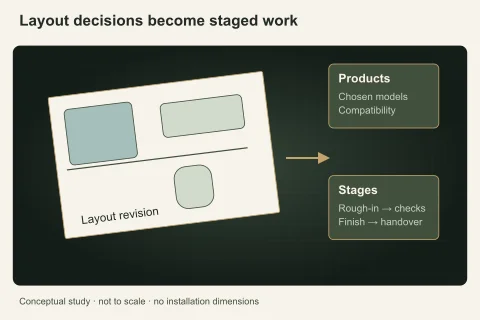
Renovation plumbing: settle layout, approvals and interfaces
Moving a fixture changes more than its visible position. Establish the layout, supply and drainage interfaces, authority requirements and completion sequence before comparing a renovation plumbing allowance with a finished installed scope.
 Understand the work
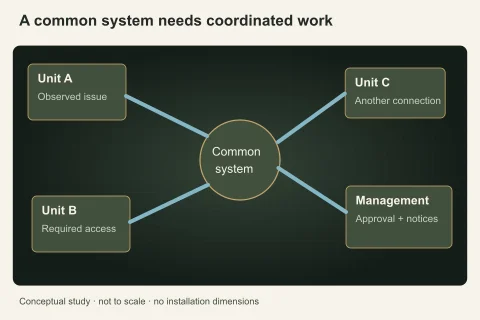
Condo plumbing: coordinate common systems and unit work
In a condominium, the symptom may be in one unit while the affected pipe serves several. Keep the technical investigation, permission to work and responsibility for payment as separate decisions supported by the building’s actual records.
 Understand the work
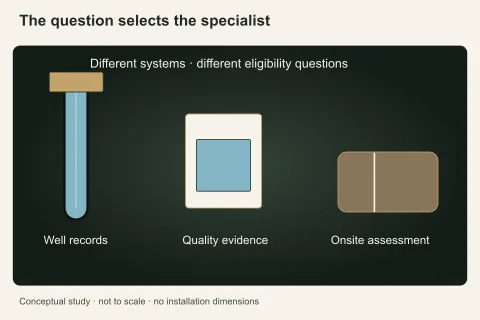
Private wells and septic: choose the relevant specialist
A rural property can combine private water, onsite wastewater and ordinary indoor plumbing. Identify which system needs assessment and which authority governs it before assuming one plumbing visit covers every part of the property.
 Understand the work
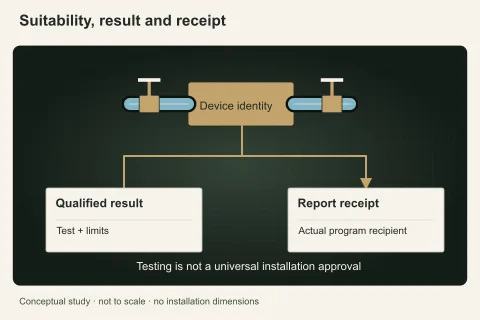
Backflow service: identify the device and local program
Backflow protection is a system-specific control, not a generic fixture accessory. Identify the protected connection and local program before asking what inspection, testing, repair or reporting is needed for the property.
 Costs and quotes
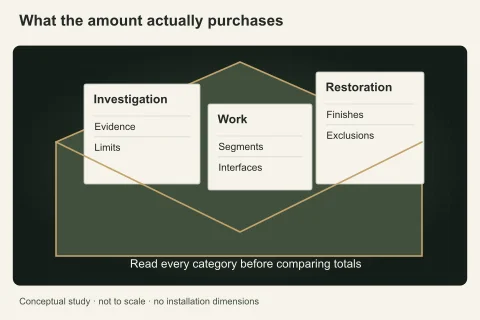
What drives a plumbing quote: scope before a price range
A useful budget starts with the work purchased and the uncertainty left open. Two totals are comparable only when they cover the same system, investigation, access, approvals and completion responsibilities.
 Costs and quotes
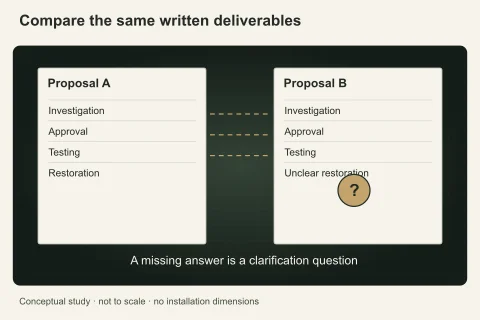
Compare plumbing quotes on the same written scope
The most useful comparison explains why totals differ. Normalize the task and the evidence of completion first, then consider financial terms without assuming the longest or cheapest quote is automatically the best fit.
 Costs and quotes
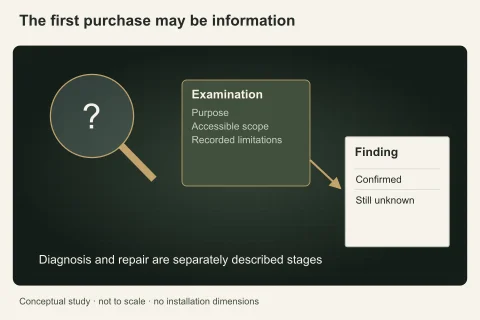
A diagnostic plumbing visit: what are you purchasing?
When the cause is uncertain, the first purchase may be information. Agree what the visit will examine and report, and distinguish that deliverable from a repair, a design or a guarantee that every hidden source can be found.
 Costs and quotes
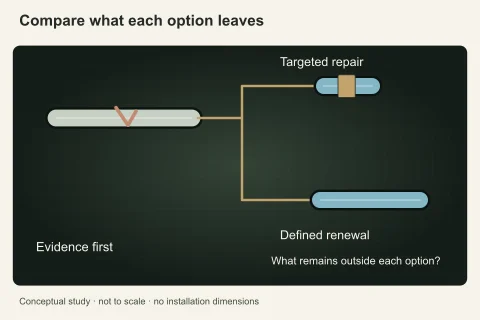
Repair or replace: compare evidence and remaining scope
A replacement decision should explain what a repair can achieve and what broader work adds. Pipe age, one failure or a persuasive product image is not enough to compare the actual alternatives for your property.
 Choosing and planning
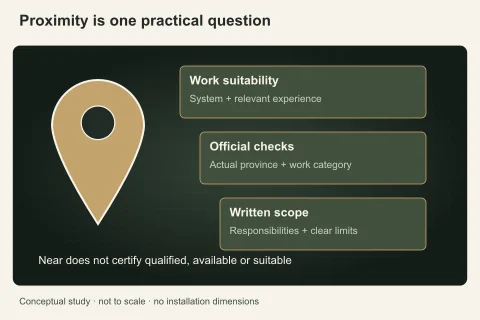
Choose a local plumber without relying on a ranking
“Near me” should describe a practical service area, not imply that proximity proves competence. Start with your chosen community and actual work, then verify suitability and written responsibilities before agreeing to attendance or a project.
 Choosing and planning
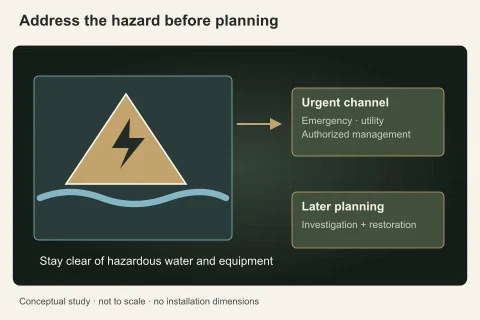
Urgent plumbing: separate immediate safety from repair planning
The first decision is whether the situation is safe to observe and whether urgent help is required. This page organizes that decision without providing hazardous repair instructions or promising emergency attendance.
 Choosing and planning
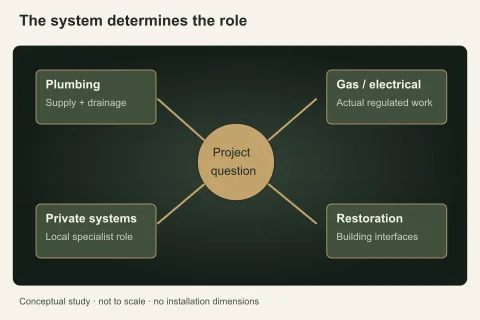
Choose the right trade for the plumbing question
A plumbing symptom can cross several regulated and building systems. Define the question and the interfaces, then ask who is qualified and authorized for each part instead of expecting one general service label to cover everything.
 Choosing and planning
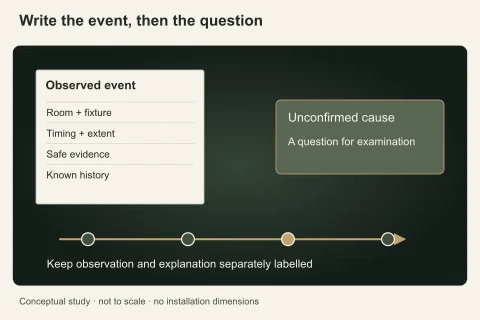
Describe a plumbing problem without guessing the cause
A good description helps the first reviewer distinguish the observed event from possible causes. It can be short and precise without prescribing a repair or exposing private property details unnecessarily.
 Choosing and planning
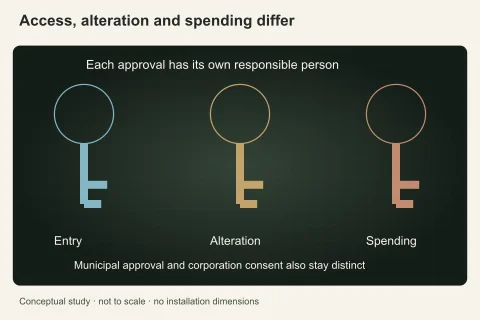
Condo authorization: separate access, work and payment
Permission to enter a unit is different from permission to alter a common system or approve a bill. Establish each decision using the building’s actual documents before the contractor arrives or an opening exposes a shared component.
 Choosing and planning
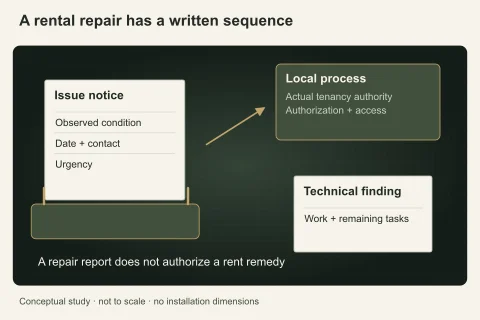
Rental plumbing repairs: document the issue and local process
A rental repair combines a technical problem with a jurisdiction-specific communication and authorization process. Report the facts clearly, preserve records and use the actual tenancy rules rather than a national assumption about who may order work.
 Choosing and planning
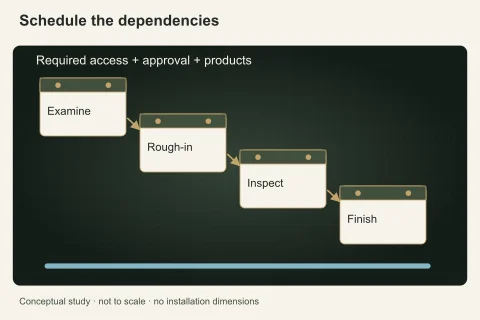
Plan plumbing access and scheduling in an occupied property
A technically clear task can still fail if the required space, approval or product is unavailable. Plan the work sequence around actual access and dependencies, then distinguish a preferred date from an accepted attendance commitment.
 Choosing and planning
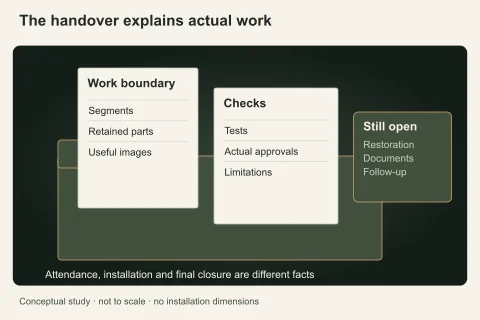
Plumbing completion records: preserve what was actually done
A useful handover lets the next owner or professional understand the installed work without reconstructing the sales conversation. Record the examined and changed components, then keep limitations visible rather than treating one invoice as proof of the whole system.
 Location and rules
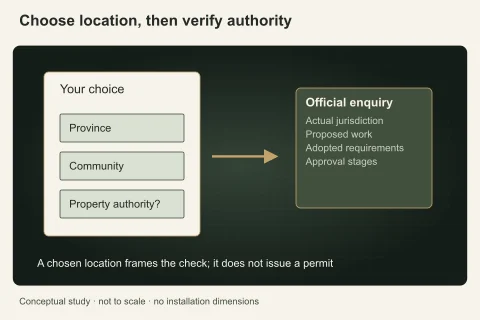
Your location determines the plumbing authority questions
Canadian plumbing planning starts with the property’s actual jurisdiction. The same service label can involve different local approvals, adopted code editions and utility boundaries; choosing a location is the beginning of verification, not a compliance answer.
 Location and rules
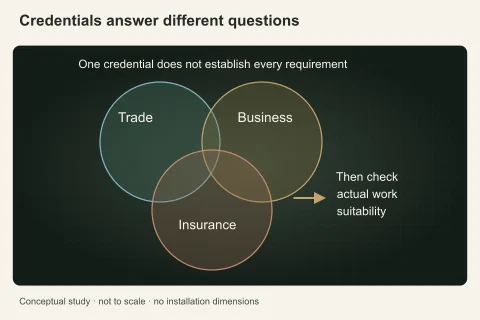
Plumbing credentials: verify the requirement for the actual work
A credential is useful only when you understand what it establishes. Verify the named person or business against the requirements for your province and proposed work, then keep insurance, experience and contractual scope as separate checks.
 Location and rules
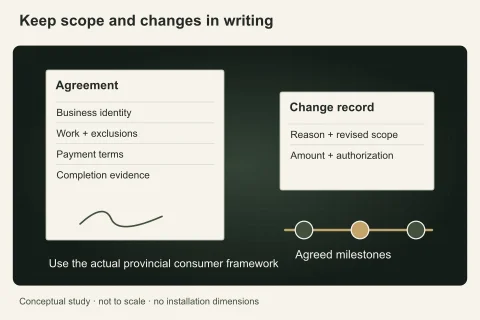
Plumbing contracts: use the consumer rules for your province
A written agreement should make the purchased work understandable after the sales conversation ends. Consumer rules vary by province and contract circumstances, so check the actual jurisdiction instead of applying one national cancellation or deposit formula.
 Location and rules
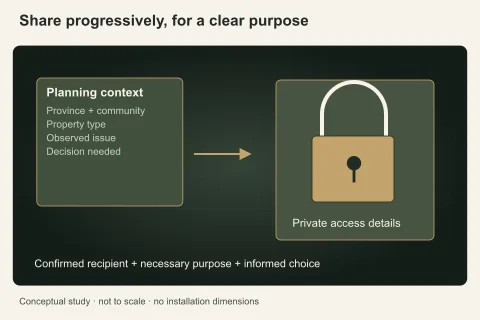
Location and privacy: share only what plumbing planning needs
Finding relevant local information does not require a guess about your device location or a public list of providers. Choose the community yourself, then share progressively more detail only when the purpose and recipient are clear.
No matching articles. Try a broader symptom, room or project term.
Turn the details into a clear request.
Describe the location, symptoms or proposed work. A person reviews the brief; any referral or contractor arrangement is a separate step with your agreement.