Identify the protected connection
Describe the building use and the connection associated with the device: a service entry, irrigation branch or another system. Record accessible labels and previous reports without dismantling the assembly. A photograph may help identify equipment, but suitability must be evaluated in its actual installation and hazard context.
Keep the purpose separate from the symptom. A leaking device, missing report and proposed new connection are different requests. Tell the professional whether the water supplier has issued a notice and preserve the exact wording. Do not assume that every property needs the same device or test interval.
Check the actual local program
Contact the water supplier or local authority for its backflow requirements, accepted tester qualifications and submission process. Programs vary by location and connection. Ask whether there is an existing registration or device record and what identifying information must appear on the report. A national trade certificate does not replace a program’s specific tester requirements.
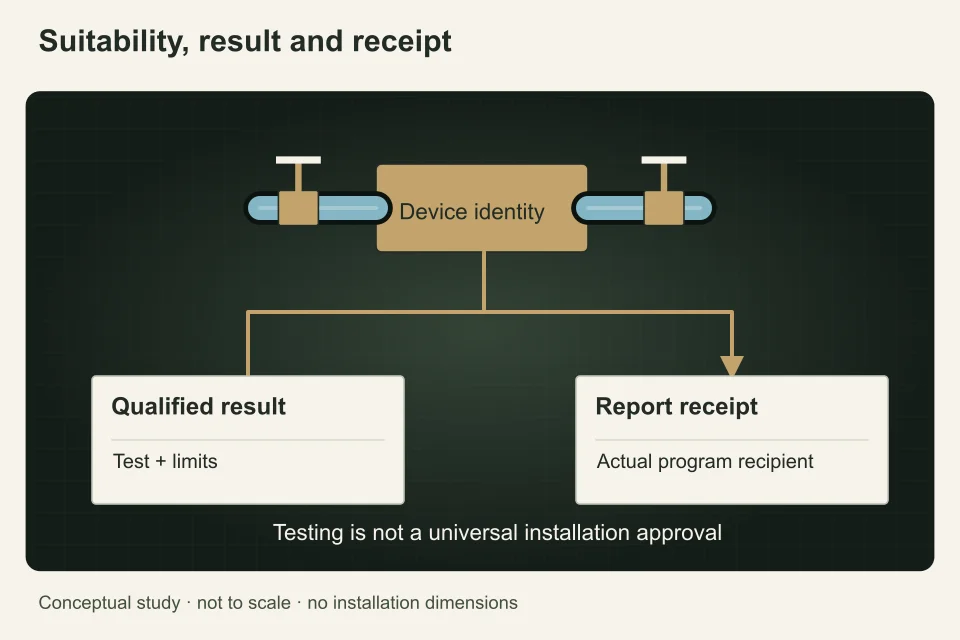
If a new assembly or changed connection is proposed, ask separately about installation approval and inspection. A test report confirms the reported testing event; it is not automatic authorization for a different installation or a complete building compliance certificate.
Define testing versus repair
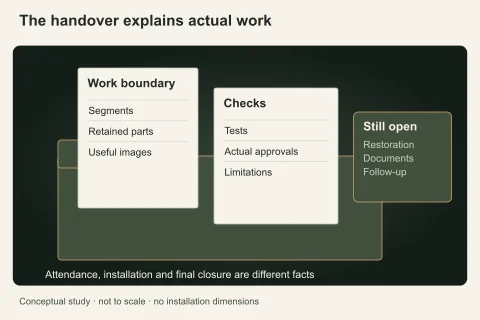
Specify whether the visit covers identification, an approved test, written results and report submission. Ask what happens if the assembly fails and who authorizes repairs, parts or replacement. A quoted testing amount should not be assumed to include every corrective task. Establish whether a return test after repair is part of the scope.
Request the report recipient and submission evidence where required. The owner should retain a copy even if the tester sends it directly to the utility. An appointment reminder is not proof that the required report reached the program.
Coordinate access and interruption
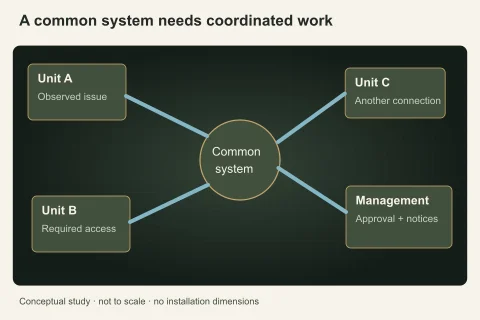
Testing or repair may affect service to occupants or connected equipment. Ask the qualified provider what interruption is needed and let the authorized owner or manager coordinate notices. Identify locked service rooms, restricted operating hours and equipment that relies on the connection. Do not operate a shared assembly to check it yourself.
For a condominium or commercial property, distinguish permission to enter from permission to isolate water or approve corrective work. Record the authorized contact and an agreed procedure for unexpected failure. Access planning should protect occupants without claiming that no interruption is ever necessary.
Maintain a device-level record
Keep the assembly identification, location, test date, results, repairs and report confirmation together. If requirements specify a future event, record the authority’s actual instruction rather than adopting a generic national schedule. A replaced device may need its registration updated; ask who handles that step and what evidence remains with the owner.
Record changes in the protected use, not only the device. A connection serving different equipment may require another suitability assessment even when the assembly passed its previous test. The completion record should state the examined scope and limitations instead of implying protection of every building connection.
Prepare a backflow request
Build a backflow request around the decision you need. Include the water supplier, device location, accessible identification, previous report and any authority notice. Describe the protected connection and who can authorize interruption. Select the province and community yourself, identify the property type and say whether you are the owner, tenant or authorized manager. An approximate location is sufficient for early planning; private access instructions and personal documents belong in a later secure conversation with the person who actually needs them. Distinguish a preferred date from confirmed attendance, and tell the reviewer which facts are still unknown.
PlumbersNearMe.ca is a Canadian reference and human-reviewed request service. It is not a plumbing contractor, ranked directory or emergency dispatcher, and a submitted request does not reserve a provider. A person reviews the information and replies without a promised response time. Ask for the testing or assessment result, corrective-work authorization and submission evidence required by the actual local program. Keep the written agreement, approvals and completion evidence with the property record. Use the request form after any immediate safety need has been addressed; do not wait for this site to respond to an active hazard.
Questions people ask
Is there one Canadian testing interval?
Do not assume a universal interval. The local utility program and connection determine requirements. Obtain the current instruction for the registered assembly and record the due event stated by that authority.
Does a passed test prove installation suitability?
A test result and a suitability assessment answer different questions. Ask what was examined and whether the protected use has changed. A report should not be read as certification of unrelated connections or all building compliance.
Are repairs included in a testing quote?
Only if stated. Compare parts, labour, retesting and report submission. Agree who approves extra work after a failed result. A basic test price may not cover the correction needed to obtain a satisfactory report.
Can a tenant authorize the visit?
Access and work authority depend on the property arrangement. Coordinate with the responsible owner or manager, especially for shared service. Identify who can approve isolation and corrective work rather than assuming a booking grants those permissions.
Sources and further reading
- National Plumbing Code of Canada 2025 ↗ · National Research Council Canada. Checked 2026-10-02.
- Plumber trade profile ↗ · Red Seal Program. Checked 2026-10-02.
- Home renovations ↗ · Office of Consumer Affairs, Government of Canada. Checked 2026-10-02.
Confirm the current requirements with the responsible authority for the actual address and work. This reference does not replace site assessment or an official decision.