State the work boundary clearly
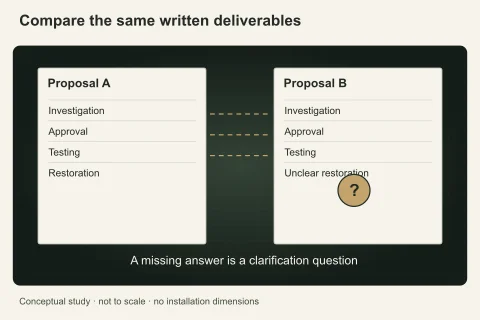
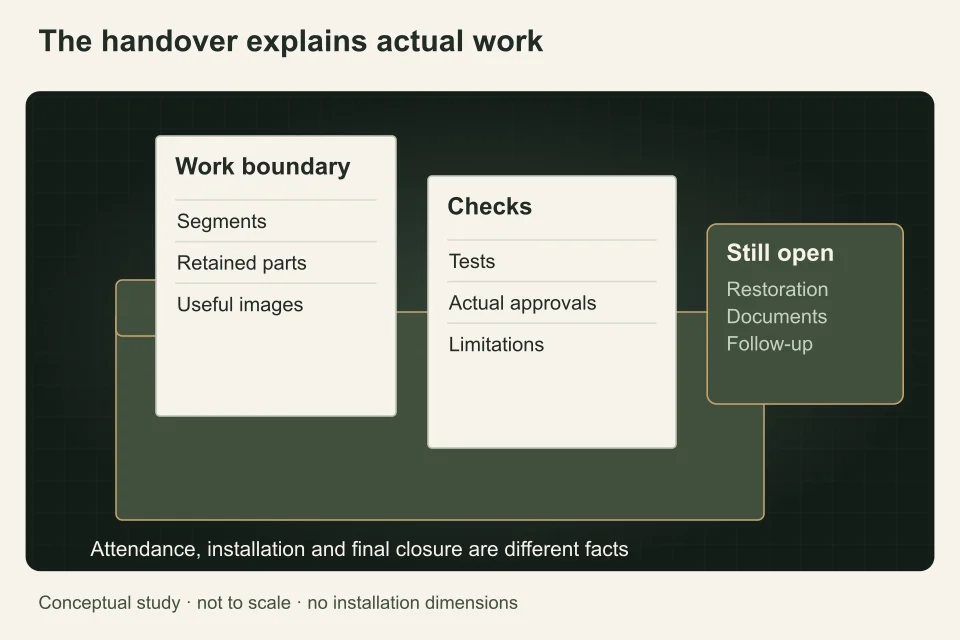
Ask for the repaired or replaced segment, connection points and retained components. A “repipe” invoice should not imply renewal of the buried service if only indoor supply branches changed. A drain report should identify the examined route and access opening. Use a simple labelled sketch where it adds clarity without representing it as a surveyed construction drawing.
Keep the accepted scope and final changes together. If the work diverged from the original proposal, record the reason and authorization. Later readers need to understand the actual result, not only the task first requested before concealed conditions were examined.
Keep evidence of findings and checks
Retain useful photographs, original camera files and written test or commissioning records where included. Ask which checks relate to the original complaint and what they cannot establish. An isolated still image or a statement that water flowed does not certify every hidden component. An incomplete examination should name the inaccessible area and its limitation.
Files need context: date, location, direction and relevant segment help another professional interpret them. Avoid editing away the surrounding information to create a persuasive defect image. The record should support future assessment rather than merely repeat the selected repair’s promotional explanation.
Store approvals with the project
Keep relevant permits, inspection results and closure information, identifying the actual issuing authority. A national model code title is not a local approval record. Municipal, provincial regulated-trade and condominium permissions may answer different questions and should remain separately identifiable. Ask who holds any outstanding document and when it is expected.
A filed application or paid fee is not necessarily final inspection closure. Record the actual status in plain language. If the authority requires follow-up, assign it rather than marking the entire project complete because physical installation appears finished.
Record products and maintenance responsibilities
Retain installed model information, manuals, manufacturer terms and workmanship terms. Ask the professional to explain ordinary operating and maintenance responsibilities without encouraging the owner to open regulated or hazardous components. Identify the proper service contact and documents needed for an early fault or warranty enquiry.
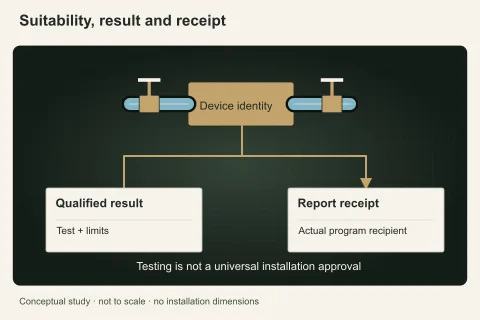
Record any program-specific testing or reporting requirement from the actual authority, such as a registered backflow assembly. Do not invent a universal maintenance interval. Keep the relevant instruction and device identification so future action follows the installation’s real requirement rather than a generic calendar.
List unfinished restoration and uncertainty
Identify drying, contamination assessment, finishes, landscaping or other tasks outside the plumbing scope. Name the responsible person or contractor and any restrictions until completion. A pipe repair can be finished while building recovery remains open. Avoid marking a room safe for ordinary use based solely on the presence of a new fitting.
Also preserve unresolved technical findings: retained old sections, inaccessible branches or symptoms needing later observation. This prevents a future owner from assuming every system was examined. Share only relevant records with later providers and redact unrelated resident, tenancy or financial information.
Prepare a handover request
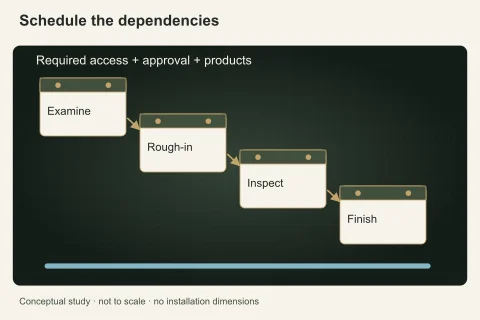
Build a completion-record request around the decision you need. List the accepted work, changed scope, evidence received and missing approval or restoration documents. Explain whether you need a property file, management summary or clarification of an unresolved finding. Select the province and community yourself, identify the property type and say whether you are the owner, tenant or authorized manager. An approximate location is sufficient for early planning; private access instructions and personal documents belong in a later secure conversation with the person who actually needs them. Distinguish a preferred date from confirmed attendance, and tell the reviewer which facts are still unknown.
PlumbersNearMe.ca is a Canadian reference and human-reviewed request service. It is not a plumbing contractor, ranked directory or emergency dispatcher, and a submitted request does not reserve a provider. A person reviews the information and replies without a promised response time. Ask for the actual work boundary and remaining duties to be clarified, without treating a planning reply as a compliance certificate. Keep the written agreement, approvals and completion evidence with the property record. Use the request form after any immediate safety need has been addressed; do not wait for this site to respond to an active hazard.
Questions people ask
Is an invoice enough completion evidence?
It may prove a billed task, but often lacks route, testing and approval details. Ask for records appropriate to the agreed scope. A broad invoice title should not imply that every hidden system was examined or renewed.
Should I keep original camera recordings?
Yes, where provided as part of the purchased inspection. Preserve context such as date and entry point. Selected stills can omit relevant segments and limitations, making a later independent assessment less informative.
Does an application receipt prove inspection closure?
No. Record the actual approval stage and obtain relevant final information from the responsible authority. A submitted application, issued permit and closed inspection are different milestones and should not be silently combined.
What if restoration is excluded?
Keep the exclusion and remaining task visible, with an assigned responsible party where arranged. Plumbing completion does not automatically finish drying, contamination work or building finishes. Confirm restrictions until the appropriate restoration is complete.
Sources and further reading
- Home renovations ↗ · Office of Consumer Affairs, Government of Canada. Checked 2026-10-02.
- National Plumbing Code of Canada 2025 ↗ · National Research Council Canada. Checked 2026-10-02.
- Consent and personal information ↗ · Office of the Privacy Commissioner of Canada. Checked 2026-10-02.
Confirm the current requirements with the responsible authority for the actual address and work. This reference does not replace site assessment or an official decision.